Flying for the first time comes with a learning curve. Here is what actually matters, in the order it usually catches people out.
Documents first, always
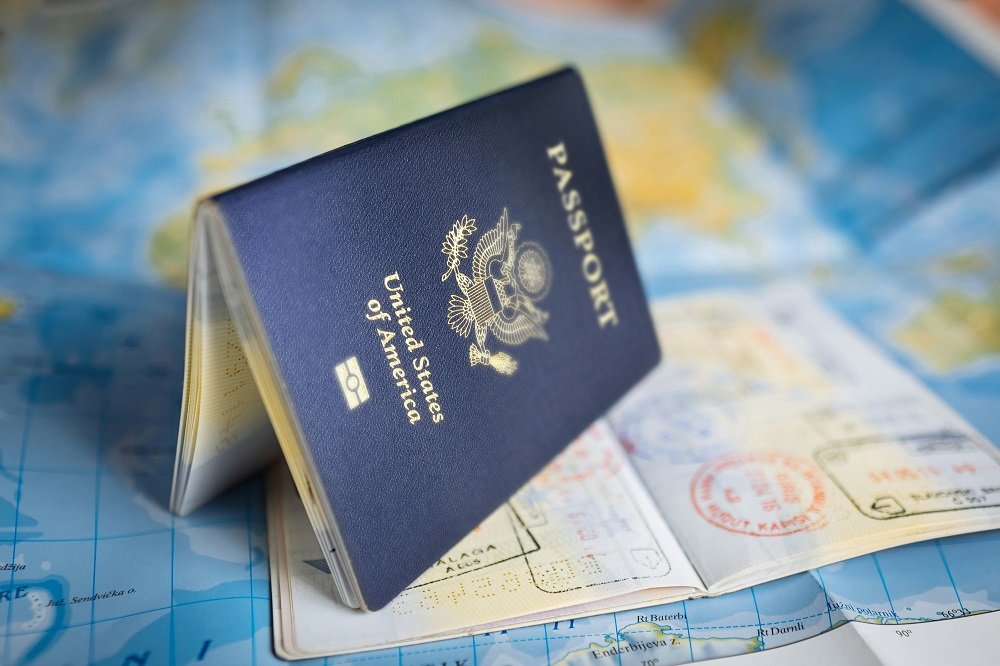
Passport with at least six months of validity remaining, your visa (if required), printed or downloaded booking confirmations, and any required vaccination or health documents. Keep digital copies stored separately from the originals.
Understand your baggage allowance before you pack
Airlines vary on both weight limits and what counts as a personal item versus carry-on. Checking this in advance avoids a stressful, expensive repack at the airport counter.
Carry-on essentials
Keep medication, chargers, a change of clothes, and any valuables in your carry-on rather than checked luggage. Delayed or lost checked bags are rare, but not rare enough to risk your essentials in them.
Money and cards
Inform your bank of your travel dates to avoid your card being blocked for unusual activity, and carry a small amount of local currency for arrival before you have access to an ATM.
Arrive earlier than you think you need to
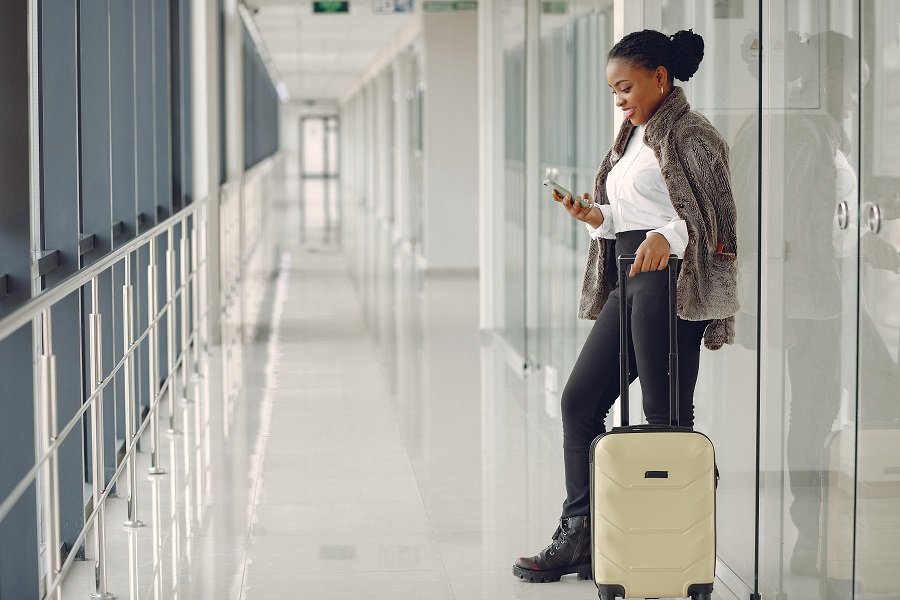
For international flights, arriving three hours ahead is the safer standard, particularly for first-time flyers still learning the check-in and security process. It is a far better problem to have spare time than to miss a flight over avoidable delays.